

If you’re spending May Long Weekend scrolling or viewing waterfront listings, you’re not alone.
This is the weekend when interest peaks—browsers become buyers, and docks turn into daydreams.
But if you’re thinking about making an offer, pause.
Because in cottage country, every property is different—and every offer should be, too.
I’ve seen far too many poorly written offers submitted on my listings that leave buyers vulnerable, especially on waterfront properties. Missing details. Misunderstood terms. Assumptions that can come back to haunt you.
The goal of this article is simple: to help you ask the right questions, to ensure everything is covered before you sign your offer.
Not everything needs to be a condition. Some items can (and should) be written as terms—a smart way to protect yourself without weakening your position. And remember, everything is negotiable: closing dates, possession timing, even who gets to use the dock in July.
We’re sharing one of our pro checklist we use in real-world negotiations.
It’s short, specific, and built to help you form an offer that wins—without regrets.
If you are new to terms like SRA or STR? We’ve got you covered. Start with this quick read (a previous article) that breaks down the five questions every waterfront buyer should ask first.
The Insider Checklist!
Be informed, and ask your Realtor how each of these is addressed in your offer:

1. Shore Road Allowance (SRA)
- Is the SRA owned, leased, or not existent?
- Is it transferring to you on closing, or staying with the municipality?
- If it’s not included, will this limit your ability to use the dock or apply for permits down the line?
Why it matters: Many buyers assume they’re buying to the water’s edge—when in fact, they’re not!
2. Road Access
- Is it municipally maintained, or private?
- If private, what are the annual costs? What do they cover—snow removal only, or grading too?
Why it matters: Always get these details in writing and have the seller sign off as part of the agreement that you have accurate details and costs.
3. Short-Term Rentals (STRs)
- Are STRs permitted in this township or zoning category?
- If not, is a restriction, or formal application process—and what is the timeline and cost?

Why it matters: If rental income is part of your plan, local bylaws could make or break it. Many townships in Muskoka now require formal applications, inspections, and licensing—and some zoning categories prohibit STRs entirely.
4. Docks & Waterfront Structures
- Were they built or added too with permits?
- Can the seller provide documentation?
Why it matters: Waterfront improvements that have not received the benefit of a permit (particularly on a shore road allowance that is not owned) can be a cause for major headaches. Make sure you are informed about the status of all waterfront improvements and have the seller sign off on it in the offer.
5. Septic System
- What is the age and size of the system?
- Has it been recently inspected or pumped?
- Is there a re-inspection program in place in this township?
Why it matters: Failing to get clear answers could lead to costly repairs—or worse, a replacement order from the Township. Know the status, request supporting documentation, and include septic details as part of your offer.

6. Water Source
- Is the property on lake water or a drilled well?
- Is the water line heated?
- Is there a UV filtration system in place?
Why it matters: Water potability concerns can often be covered by title insurance—especially if the cottage hasn’t been opened yet. Don’t overcomplicate the offer with unnecessary conditions. A water sample can be requested as a term, not a condition, keeping your offer clean and competitive.
Pro Tip:
In a competitive situation, structuring items like water testing as terms—rather than conditions—can protect your interests while keeping your offer streamlined and more appealing to the seller.
7. Financing Clause
- Even if you’re not making the offer conditional on financing (which is very common), be sure to ask for a clause that permits an appraiser to visit before closing.
Why it matters: Without it, a seller can refuse the appraiser access—which could negatively impact you.
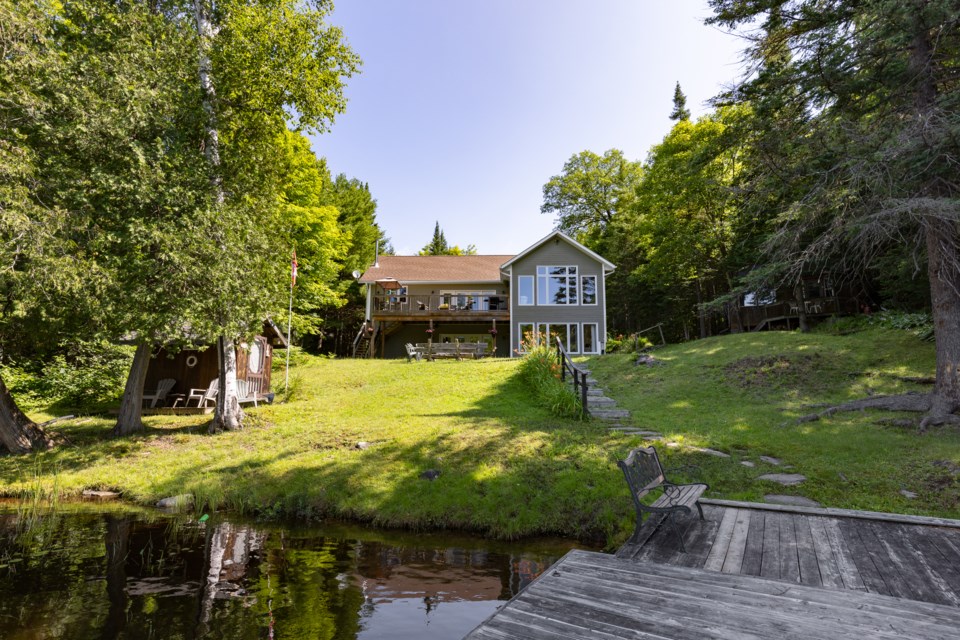
8. Inspection Condition
- Is this condition worded to allow for third-party trades as well—like builders or electrician to come onsite and not just a certified home inspector?
Why it matters: If you have future plans or specific concerns, you may need input from trades beyond a standard inspector. Make sure your offer gives you written permission for access and the flexibility to walk away based on their findings—not just a general inspection report.
9. Encroachments, Easements & Rights of Way
- Are there any registered easements or access agreements on title?
- Do they permit pedestrian access only—or full vehicular use?
Why it matters: You want to know about these deals in advance – not discover them post closing.
Pro Tip:
If there’s any uncertainty, see about requesting a title search before submitting your offer. We frequently do this for our clients to clarify rights of access, locate surveys, and uncover registered details the seller may not even have in their possession. It’s a smart step that can prevent post-closing surprises.

10. Inclusions & Exclusions
- Has the seller clearly identified what’s included—and more importantly, what’s not?
- Are items like boats, water toys, furniture, or kitchenware specifically addressed?
Why it matters: “Turn-key” can mean different things to different people. Without clarity, you’re at risk of assumptions that don’t match reality.
Pro Tip:
It’s often easier to agree on exclusions than to assume inclusions. We recommend having the seller provide a detailed list of what’s not staying—it’s a cleaner approach and avoids surprises on closing day.
Bonus: 2 Often-Overlooked Details

1. Revisit Clause & Final Walk-Through
Does your offer include permission for at least two visits before closing?
Why it matters: These visits give you a chance to measure, plan, or double-check the property’s condition before you take possession. A final walk-through ensures everything is as agreed—right down to what’s in the boathouse. This clause is often overlooked or assumed, but it’s a simple way to protect your peace of mind.
2. The Personal Cover Letter
In multiple-offer scenarios—especially on properties with sentimental value—a personal letter can go a long way.
Why it matters: Many cottage owners are parting with decades of memories. When faced with similar offers, sellers often choose the buyer who makes it feel personal. A handwritten note from your family, paired with a photo—whether it’s your kids, your pet, or a moment from a past cottage that reminds you of theirs—can leave a lasting impression.
It’s a simple gesture, but in the right situation, it can tip the scales in your favour—maybe not because you offered more, but because you connected in a way that mattered.

Is 2025 the summer you finally put your name on a dock in Muskoka?
Cottages don’t wait around—and this year, we’re seeing value-packed opportunities that haven’t surfaced in a long time.
Ask us about the listings that haven’t hit Realtor.ca yet. They might just check every box on your cottage wish list.
Start a conversation today.
Call 705-646-5300 or visit www.perylekeye.com for personalized guidance from the Peryle Keye Team.
For insider tips, market updates, and stunning listings, follow along on Instagram, Facebook, and YouTube @perylekeye
Who in your circle could benefit from these insights before exploring Muskoka’s waterfront market? Share this article with a friend or family member—early conversations lead to better decisions, and now is the perfect time to start planning.
Melissa Bradbury and her team, trusted by HGTV’s Scott McGillivray, bring over a decade of experience helping buyers make informed, confident decisions in Muskoka’s unique market. Let her team guide you every step of the way.
Back to Media